Every day, children make decisions that shape their future. Some choices may seem small, but others can determine whether they stay in school, resist peer pressure, report abuse, or protect their health and wellbeing. Yet many are expected to make these decisions without the knowledge, confidence, or support they need.
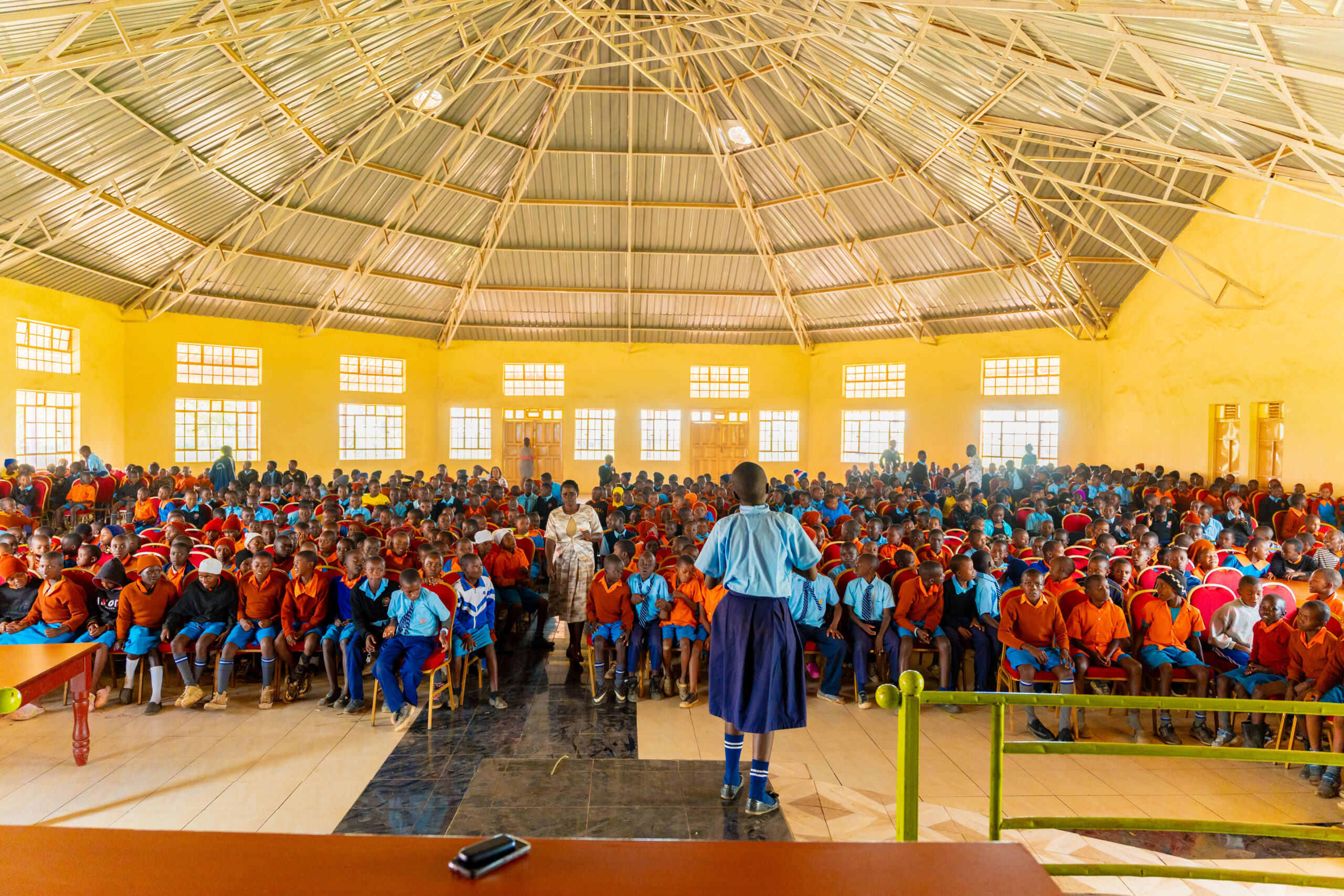
Over the past year, Nice Place Foundation, in partnership with teachers and local stakeholders across Kajiado County, engaged thousands of learners in primary and secondary schools through classroom discussions, teacher engagements, and interactive sessions. These conversations revealed a common reality: while children are eager to make the right choices, many lack the practical guidance and confidence to navigate the everyday challenges they face.
Learners consistently identified bullying, peer pressure, drug and substance abuse, violence, unhealthy relationships, and teenage pregnancy as some of the greatest challenges affecting their lives and education. While many understood the risks, they were often unsure how to respond when faced with these situations. This reinforced an important lesson: protecting children is not only about responding to harm—it is about equipping them with the knowledge, skills, and confidence to make informed decisions before they face difficult situations.
To address this need, Nice Place Foundation developed the SWAT Technique, a simple and practical decision-making framework that learners can apply in their everyday lives:
S – Say No: Refuse anything that threatens your safety, education, dignity, or future.
W – Give a Reason Why: Think critically and confidently explain your decision.
A – Offer an Alternative: Choose or suggest a safer and more positive option.
T – Talk it Out: Seek guidance from trusted adults whenever you feel unsafe, confused, or pressured.
To ensure these conversations continue beyond one-off classroom sessions, Nice Place Foundation has established SWAT Clubs in partner schools. These student-led clubs provide safe spaces where learners discuss real-life challenges, practise life skills, strengthen leadership, and deepen their understanding of Sexual and Reproductive Health and Rights (SRHR). Through peer learning, mentorship, and guided discussions, learners gain the confidence to make informed decisions and become positive role models within their schools.
Our experience has shown that when learners are equipped with the right knowledge and supported by trusted adults, they become more confident, speak up about challenges, support one another, and make choices that keep them safe, healthy, and engaged in school.
A brighter future begins with informed decisions, and informed decisions begin with access to knowledge.